
 Przypnij
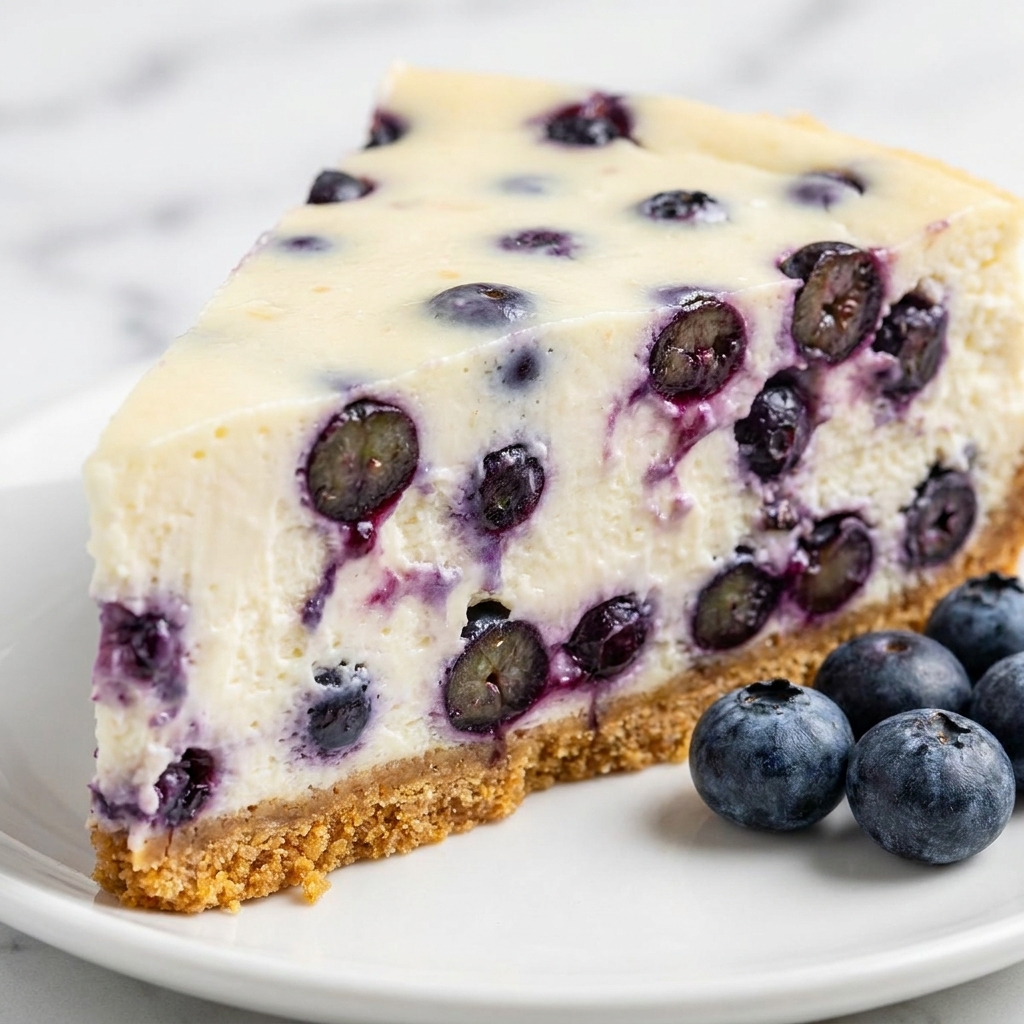
Sernik z białą czekoladą i jagodami earns its reputation as one of the creamiest baked cheesecakes in Polish baking. White chocolate melts straight into the batter, so the filling turns silky and dense instead of just sweet. Fresh blueberries burst through every slice with a tart snap that keeps the whole cake from feeling heavy.
I bake this version in a water bath. It sounds fussy, but it only adds about ten minutes of prep, and it is the real reason the filling sets smooth and level with no dome and no crack down the middle.
This is a make-ahead dessert by design. It needs a full night in the fridge to firm up properly, so plan for that. Once it is chilled, you get a bakery-style cheesecake for a birthday, a holiday table, or a Sunday that deserves something a little special.
Why Each Ingredient Earns Its Spot
Every ingredient here does real work. Nothing in this filling is filler. Use full-fat cream cheese and a real white chocolate bar instead of chips, since chips carry stabilizers that can leave the batter grainy.
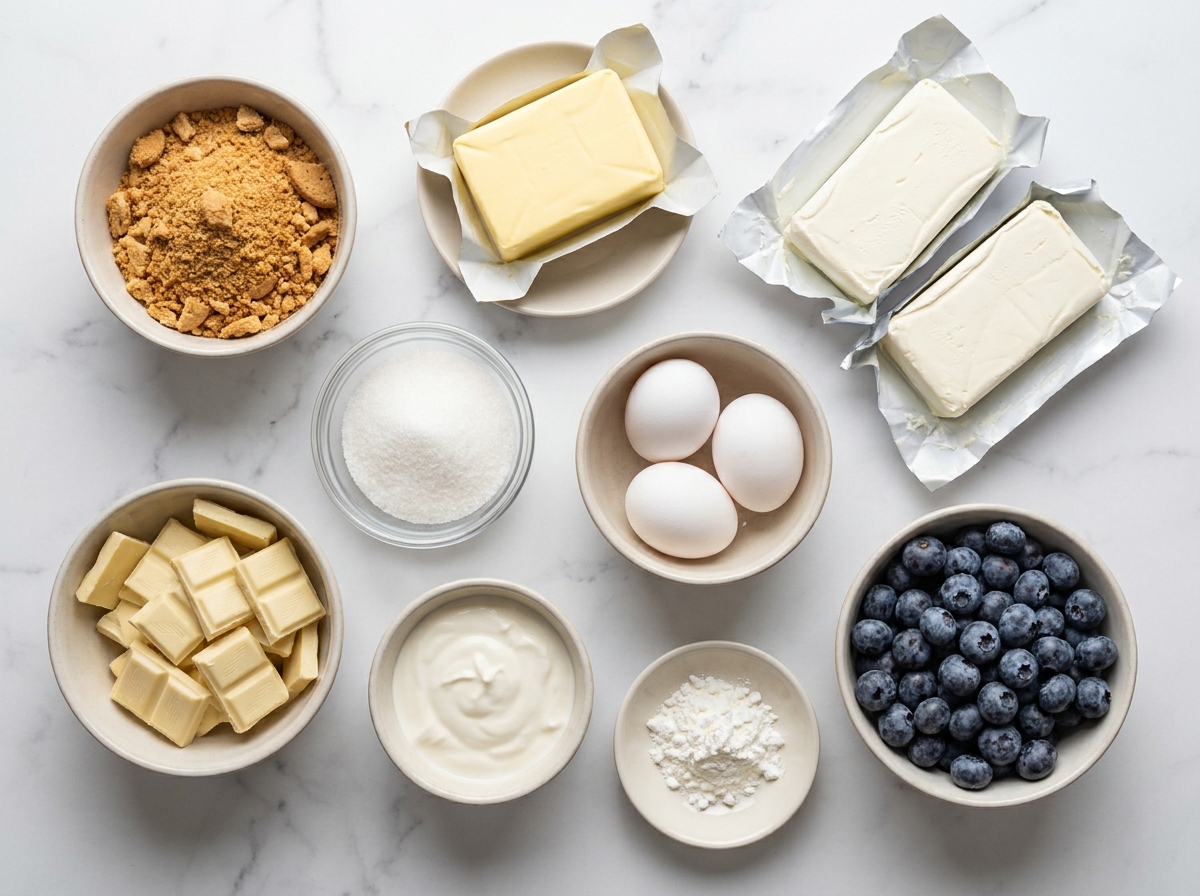
- Digestive biscuits. Crushed fine, they form a crisp, buttery base that holds together once chilled.
- Unsalted butter. Binds the crumbs and adds richness without extra salt.
- Full-fat cream cheese. The backbone of the filling, it needs to be soft and lump-free before you start mixing.
- Granulated sugar. Sweetens the filling just enough to let the white chocolate and berries lead.
- Eggs. Set the custard and give it structure, added one at a time so the batter stays smooth.
- White chocolate. Melted into the batter, it adds sweetness and a silky, dense texture that chips can't match.
- Sour cream. Loosens the batter slightly and adds a gentle tang that balances the sweetness.
- Cornstarch. A small amount insures against cracks by giving the custard a little extra stability.
- Fresh blueberries. Folded in whole, they burst slightly in the oven and streak the filling with color.
Building a Level, Crack-Free Cheesecake
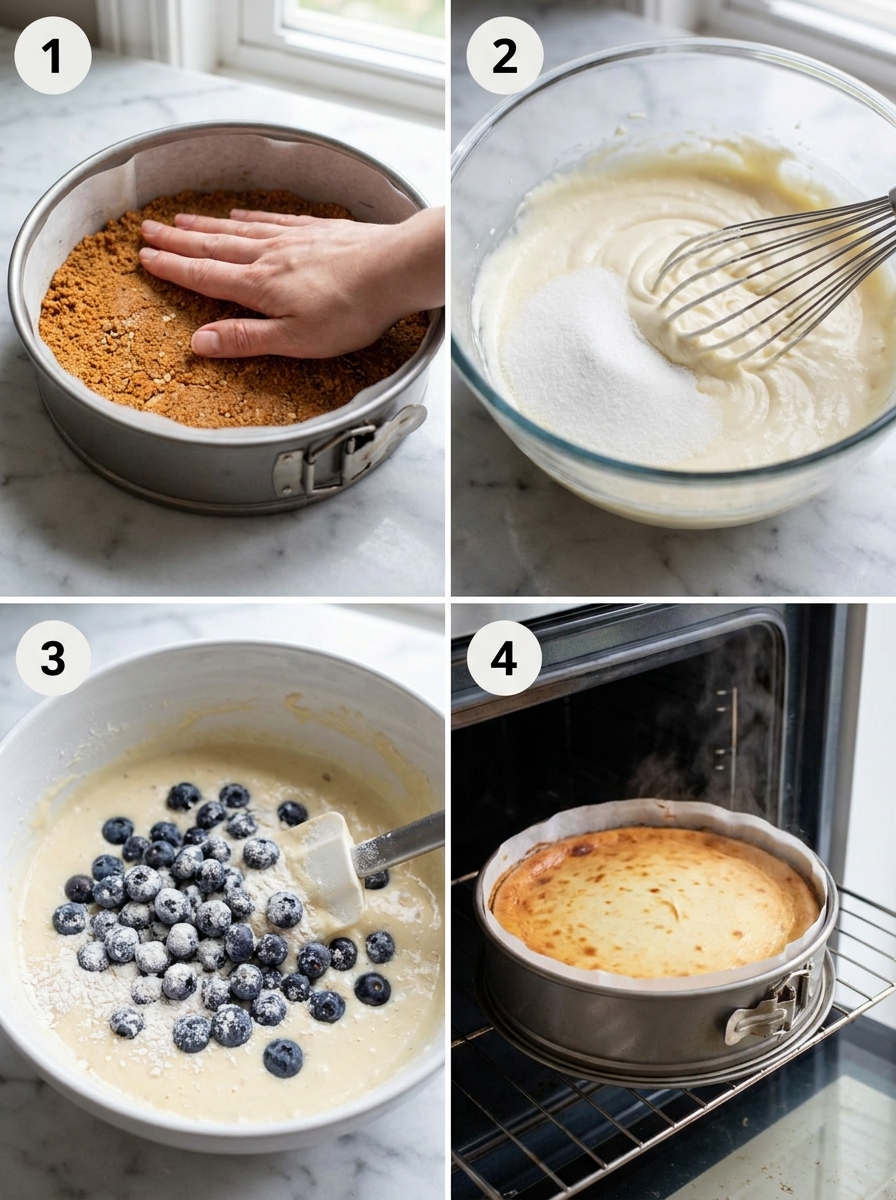
- Bake the crust. Crush the biscuits, mix with melted butter, and press firmly into a 9-inch (23 cm) springform pan. Bake at 325°F (160°C) for 10 minutes until just set, then cool while you make the filling.
- Melt the chocolate. Melt the white chocolate over a double boiler or in short microwave bursts, stirring often. Set it aside to cool slightly so it doesn't scramble the eggs later.
- Beat the cream cheese. Beat the cream cheese and sugar on low speed until completely smooth, scraping the bowl often. Overbeating on high speed whips in air that later causes cracks.
- Add eggs and flavor. Add the eggs one at a time, mixing just until each disappears. Blend in the sour cream, cornstarch, vanilla, salt, and melted white chocolate.
- Fold in the blueberries. Toss the blueberries with a spoonful of flour and fold them gently into the batter by hand so they stay whole and evenly distributed.
- Bake in a water bath. Wrap the pan in foil, set it in a larger roasting pan with hot water halfway up the sides, and bake at 325°F (160°C) for 55-65 minutes until the edges are set and the center still jiggles slightly.
- Cool slowly, then chill. Turn off the oven, crack the door, and let the cheesecake cool inside for an hour before refrigerating it uncovered overnight.
The Water Bath Earns Its Keep
A water bath keeps the oven's heat gentle and even around the pan, so the outside of the custard does not overcook before the center sets. Without it, the edges puff and dry out as they cool, and that uneven shrinking is what causes the crack down the middle. Wrap the springform pan tightly in two layers of foil before it goes into the water bath. A slow leak here is the only real risk of the method. Set the wrapped pan inside a larger roasting pan and pour in hot water until it reaches about halfway up the sides. Bakers and food science writers point to this gentle, indirect heat as the reason a water bath produces a smoother, denser cheesecake than a dry oven does. It adds about ten minutes of prep and pays for itself the moment you slice it.
Avoiding the Dreaded Cheesecake Crack
Cracks usually trace back to three habits. Overbeating whips air into the batter that expands in the oven and then collapses as it cools. Overbaking dries out the edges before the center firms up. And cooling the cake too fast, straight from a hot oven into a cold fridge, shocks the custard and splits the top.
Beat the cream cheese and sugar on low speed just until smooth, then keep the mixer on low once the eggs go in. Pull the cheesecake before it looks fully set. The center should jiggle gently, almost like set gelatin, when you nudge the pan. It keeps cooking from residual heat as it cools on the counter.
Picking and Prepping Your Blueberries
Small, wild-style blueberries work best here because they hold their shape and don't bleed as much color into the batter. Look for firm, dusty blue berries with a silvery bloom still on the skin. That bloom is a natural wax the fruit produces and it is completely fine to eat.
Frozen blueberries work too. Don't thaw them, fold them in straight from the freezer or they will bleed purple streaks through the whole batter. Either way, toss the berries in a spoonful of flour before folding them in. The dusting keeps them suspended in the filling instead of sinking to the crust. Fresh, in-season blueberries carry a slightly different sugar and moisture balance than the softer, out-of-season fruit. You can see the difference in nutrient data for the same amount of fruit.
Swaps That Still Taste Right
No digestive biscuits on hand? Graham crackers or plain shortbread cookies make a fine crust too. Milk chocolate can stand in for the white chocolate if you want a less sweet, more classic flavor. Just expect a slightly darker filling.
Swap the blueberries for raspberries and you land close to sernik z malinami i białą czekoladą, a cousin recipe built on the same creamy base. If you want the tang of berries without turning on the oven, the no-bake chłodny sernik z malinami uses a similar flavor profile in a fridge-set version.
Make It Ahead and Store It Right
This cheesecake genuinely improves overnight in the fridge, so treat the wait as part of the recipe rather than a delay. Cover it loosely once it is fully chilled and it will keep well for up to four days. Cooked custard desserts like this one hold up fine at refrigerator temperature, but they should never sit out at room temperature for more than about two hours. That is the same guidance food safety authorities give for other egg-based dishes.
To freeze it, chill the cheesecake completely, slice it, and freeze the pieces on a tray before bagging them. Thaw overnight in the fridge, still wrapped, so condensation doesn't turn the top soggy.
What to Serve Alongside It
A cup of strong coffee or espresso is the classic match. Its bitterness cuts through the richness of the white chocolate. A dessert wine or a glass of cold milk works just as well for the same reason. If you are planning a bigger spread, a slice of sernik krakowski or a wedge of tarta z mascarpone i jagodami rounds out a dessert table nicely without repeating flavors.
Najczęściej zadawane pytania
- Can I use frozen blueberries instead of fresh?
Yes, frozen blueberries work well. Fold them in straight from the freezer without thawing so they don't bleed purple streaks through the batter, and toss them in a spoonful of flour first so they stay suspended instead of sinking to the crust.
- Why did my cheesecake crack on top?
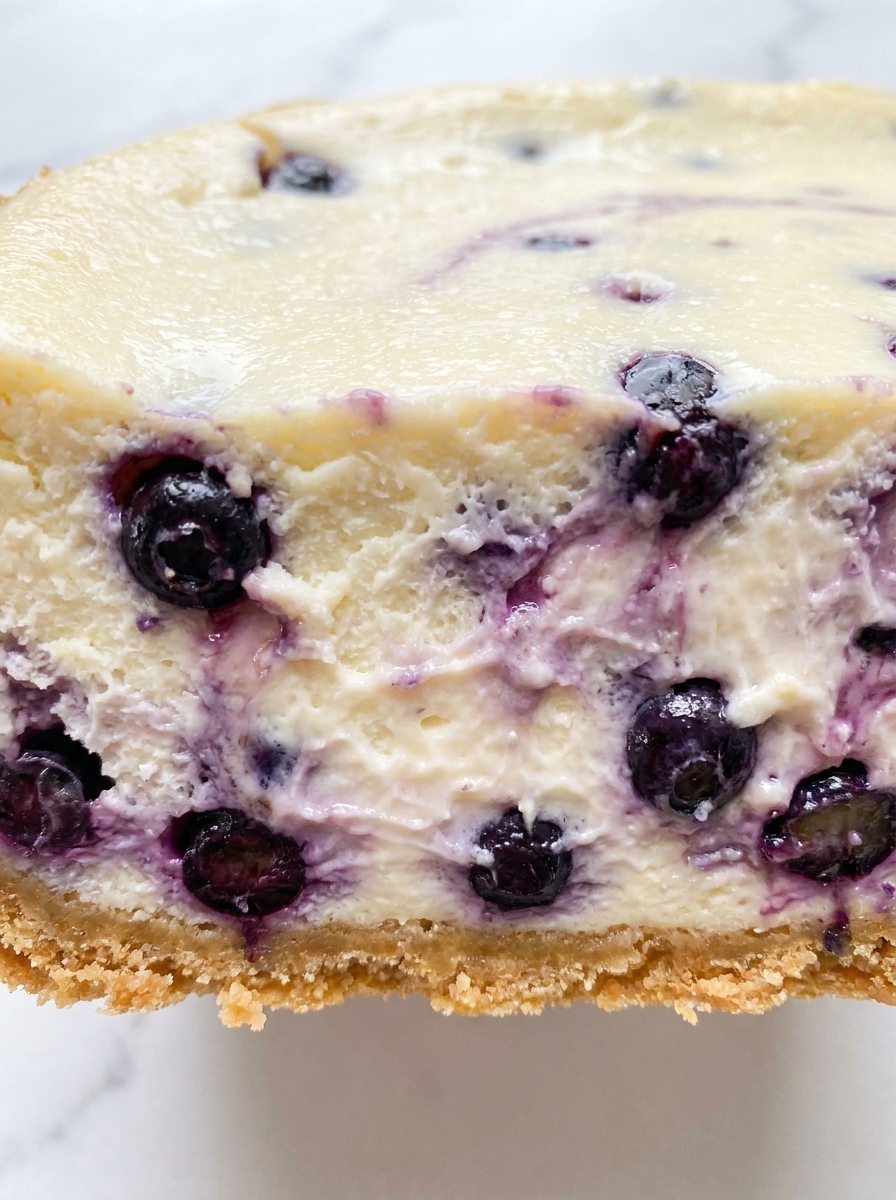
A crack almost always comes from overbeating, overbaking, or cooling the cake too fast. Mix on low speed once the eggs go in, pull the cheesecake while the center still jiggles slightly, and let it cool gradually in the oven with the door cracked open before it goes into the fridge.
- Can I make this cheesecake ahead of time?
You should. It needs a full night in the fridge to set properly and actually tastes better the next day once the flavors settle. It also keeps well for up to four days, so it's a natural make-ahead dessert for a party or holiday.
- What can I use instead of sour cream?
Full-fat Greek yogurt is the closest substitute and works in the same quantity. Mascarpone or crème fraîche also work, though the filling will turn out slightly richer and less tangy.
- How do I know when the cheesecake is fully baked?
The edges should look set and slightly puffed while the center still jiggles gently, almost like firm gelatin, when you nudge the pan. It will finish setting as it cools, so pulling it a little early is safer than overbaking it.
- Can I freeze white chocolate blueberry cheesecake?
Yes. Chill it completely, slice it, and freeze the pieces on a tray before transferring them to a bag or container. Thaw overnight in the fridge, still wrapped, so condensation doesn't soften the crust.
- Can I skip the water bath?
You can, but expect a higher risk of cracking and a slightly denser texture. If you skip it, lower the oven temperature by about 25°F (15°C) and place a pan of hot water on the rack below the cheesecake to add some moisture back into the oven.
